

Types of Yoga Explained: A Guide to Yoga Styles in London
Your Guide to Finding Your Kind of Yoga
A sweat-inducing vinyasa or a gentle yin? Yoga can look and mean something different depending on who you ask, and neither is more "correct" than the other. It's just about knowing the different types of yoga styles to find a class that actually suits what you need that day. Here's a quick breakdown of the main styles of yoga, what to expect from each and who it may be for.
Hatha
The steadiest and most traditional of the styles, hatha moves through postures slowly, with time to settle into each one. Expect a measured pace, clear instruction and a strong focus on correct alignment rather than cardio intensity.
Who it's for: Beginners to yoga or anyone who wants the fundamentals without a dynamic pace.
Scaravelli
Named after the yoga teacher Vanda Scaravelli, this approach is similiar to Hatha and works with gravity and breath rather than effort and strength. Postures are allowed to unfold slowly guided by sensation, with a strong emphasis on the spine, breath and grounding through the body.
Who it's for: Beginners, anyone recovering from injury or in need of a softer, more exploratory way of moving.
Vinyasa
Constant movement linked to breath, one pose flowing into the next. Vinyasa is more physical and can build a real sweat, with a rhythm that keeps the body moving throughout the class.
Who it's for: Anyone who wants a workout as much as a wind-down, and likes a bit of pace and physical challenge in their practice.
Kundalini
Kundalini combines postures with breathwork, chanting and meditation, leaning further into the spiritual and philosophical roots of yoga.
Who it's for: Anyone curious about the philosophical tradition behind the practice, not just the stretch or movement.
Ashtanga
A set sequence of postures, performed in the same order every time, linked by breath. It's repetitive by design and decievingly demanding, but that structure lets you notice your own progress class to class, rather than reacting to whatever the teacher decides that day.
Who it's for: Practitioners who like discipline and routine and want to master the foundational postures of yoga.
Yin & Stretching
The slowest of the group. Yin holds postures for several minutes at a time, working into the connective tissue rather than the muscle. It's less about movement and more about healing the body through stillness.
Who it's for: Anyone who needs to rest after a hard week, a long flight, or simply looking for a slower, more restorative practice.
Pranayama
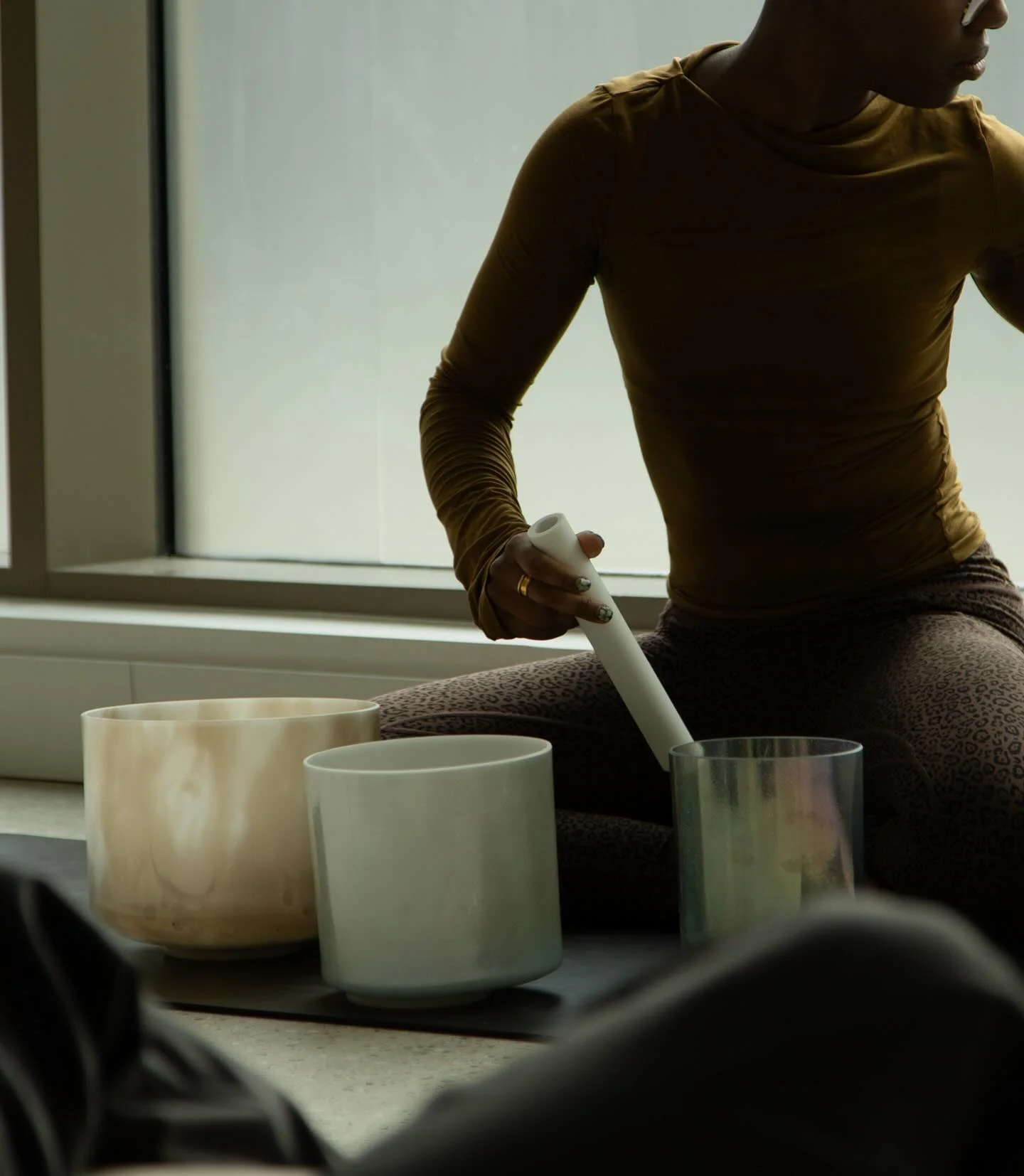
The very core of yoga. Pranayama is breathwork, plain and simple - controlled breathing techniques used to calm the nervous system or build energy, depending on which you're taught. Usually woven into a class, however dedicated Pranayama classes can be considered a meditation.
Who it's for: Anyone wanting to work directly on stress, focus or energy.
Yoga Nidra
Sometimes called "yogic sleep." You lie down for the entire class, guided through a state between waking and sleeping. There's no movement at all - it's closer to a guided meditation than anything resembling a workout.
Who it's for: Anyone needing deep rest or wanting to try meditation without sitting still.
Where to try it near Paddington
If any of this has you wanting to actually try a class, The Life Centre is worth knowing about. It's the oldest yoga studio in London, opened in 1993 inside a converted chapel on a quiet side street near Notting Hill Gate, only two stops from The Pilgrm on the underground. Their schedule covers all the styles above under one roof, taught by instructors known for a genuine respect and understanding of yoga's roots - and as a Pilgrm guest, you can book in at a reduced rate: one studio class or two online classes for £18 rather than £25. Get in touch with our team to find out more.
You'll be thirsty after all that - good thing our Something for YEW offer has you covered this autumn: up to 15% off your room rate, plus a YEW sparkling water taster pack waiting on arrival. Running until 18th November.